If your partner crossed a line First, acknowledge that a line was, in fact, crossed, and identify the nature of that line. “In this moment, it's so important to remember your own needs in the relationship,” says Earnshaw. And doing so requires communicating (or re-communicating) them to your partner.
T here’s something about the visual of “crossing a line” in a relationship that seems to remove some blame from the line-crosser: If you merely walk across a line, then surely you can walk back, right? Or, perhaps you didn’t even realize the line was there until you pushed past it—and how could you be fully culpable in that case? At least, that’s the semantic subtext of recent comments from Adam Levine on his marital transgressions. He didn't admit to cheating by sending flirty texts to someone other than his wife, but he did acknowledge having “ here’s something about the visual of “crossing a line” in a relationship that seems to remove some blame from the line-crosser: If you merely walk across a line, then surely you can walk back, right? Or, perhaps you didn’t even realize the line was there until you pushed past it—and how could you be fully culpable in that case? At least, that’s the semantic subtext of recent comments from Adam Levine on his marital transgressions. He didn't admit to cheating by sending flirty texts to someone other than his wife, but he did acknowledge having “ crossed a line .” According to experts, however, crossing a line in a relationship can entail just as harmful a behavior as flat-out cheating (and may sometimes qualify as cheating), depending on the situation.
In order to cross a line, of course, the line has to exist in the first place. In this case, a line simply represents any boundary that structures the terms of your partnered relationship (that is, what all involved parties have decided you will or won’t do while dating). “A line around the relationship might be related to how much time you spend at work, how much money you spend, or how you navigate intimacy with other people,” says relationship therapist Elizabeth Earnshaw, LMFT, co-founder of premarital counseling platform Ours.
“People have different worldviews, which influence the types of boundaries and expectations they have in relationships with their significant others.” —Talal Alsaleem, PsyD, LMFT, psychologist
Clearly, that definition of a relationship "line" leaves lots of wiggle room for variation—and, indeed, every relationship does have different lines. “People come from different backgrounds and have different worldviews, which influence the types of boundaries and expectations they have in relationships with their significant others,” says psychologist and therapist Talal Alsaleem, PsyD, LMFT, who specializes in infidelity counseling.
Related Stories
But even so, maintaining a healthy romantic partnership does imply some universal lines, like trust, honesty, reciprocation, and respect, says Dr. Alsaleem. Which is all to say, there are some behaviors that cross relationship lines no matter what, and others that only cross lines in the context of a specific partnership.
What, exactly, is crossing a line in a relationship?
As the visual implies, crossing a line means “stepping outside the bounds of the relationship,” says Earnshaw. Though this behavior can certainly reflect a purposeful step, it's also possible for that step to happen unintentionally, often as a result of lacking communication.
“Sometimes, partners assume they are on the same page regarding relationship boundaries when they actually see things differently,” says couples therapist Paulette Sherman, PsyD. In that case, what looks like a crossed line to one partner might not seem like such to another. For example, some people think flirting is in bounds, whereas others believe that any sexual or romantic act toward anyone who isn’t your partner constitutes crossing a line, says Dr. Sherman, “and this is why it's helpful to communicate mutual and respective expectations upfront.”
Even in situations where specific lines haven’t been drawn, though, there are still those universal relationship lines to respect. “The general rule is that if you’re doing something you wouldn’t do in front of your partner, you’re likely crossing a line,” says Amy Chan, founder of Renew Breakup Bootcamp.
What causes a man to leave a relationship?
The answer often lies in boredom and opportunity. If a man is bored in his marriage or believes something is lacking sexually or emotionally, he...
The (sometimes subtle) difference between crossing a line and cheating
Cheating is a version of line-crossing wherein the line is very clear and the outcome of crossing it “breaches a contract of the expected emotional and sexual exclusivity in the relationship,” says Dr. Alsaleem. In other words, cheating is line-crossing of a specific nature, but not all line-crossing is cheating.
Just as the behaviors that constitute line-crossing can vary from relationship to relationship, so, too, can the things that constitute cheating, creating a lot of gray area in deciphering the difference. “This is especially true when it comes to emotional and virtual interactions,” says Dr. Alsaleem. “For example, in some relationships, watching pornography or flirting is an acceptable behavior. And in other relationships, those behaviors are considered to be a form of cheating or infidelity.”
Because cheating involves straying from your relationship in order to get particular sexual or emotional needs met, cheating transgressions do tend to be more egregious than crossing a singular line. Often, full-fledged cheating is what happens as the result of a few lines being crossed.
Consider how DM-ing that cute bartender with a happy face emoji might not be considered cheating but could very well be crossing a line, says Chan. This, then, opens the door for successive actions on the pathway to disconnection and cheating. “These might look like turning away from your partner, the seemingly harmless flirtation, the confiding in someone else who’s giving extra attention, and so on,” says Chan. “Dozens of harmful, line-crossing decisions can lead up to the physical or emotional act of cheating.”
What to do if you or a partner crossed a line in your relationship
If your partner crossed a line
First, acknowledge that a line was, in fact, crossed, and identify the nature of that line. “In this moment, it’s so important to remember your own needs in the relationship,” says Earnshaw. And doing so requires communicating (or re-communicating) them to your partner.
At this stage, you’d also be wise to ask questions of your partner to determine the cause of the line-crossing, says Dr. Sherman. “You’ll likely need the transgressor to take responsibility, be transparent about what happened, and show remorse in order to gain confidence that this won’t happen again,” she says.
Remember that it’s not on you to come up with a reasonable explanation for what happened. And sharing assumptions will just have you “arguing about the accuracy of those assumptions, rather than addressing the core issue,” says Dr. Alsaleem. “It’s the burden of the person who crossed the line to explain their actions.”
Once you land on a root cause, work with your partner to develop a concrete action plan to resolve it. For example, if the reason they’ve crossed a line and sent flirty texts to a friend is that they’re not feeling satisfied in your relationship, consider the steps you both will take to achieve greater fulfillment. Or, if the reason they’ve misled you on fundamental elements of their salary or job is that they’re insecure, consider how you both will create a safe space for honesty and vulnerability going forward.
In this way, line-crossing can serve as a “learning lesson that can actually help the relationship grow, assuming that there’s accountability on the part of the person who crossed the line and both people can honestly and openly discuss what happened,” says Chan.
Why do people say I love you so easily?
People feel insecure in relationships from time to time. Saying 'I love you' too much can be a way to seek reassurance that your partner loves you...
After you implement a new plan, boundary, or expectation, check in on how well you’re adhering to it, says Dr. Alsaleem. And if it’s falling through, he adds, seek out professional counseling to get the relationship back on track.
If you crossed a line
Your first step after crossing a line in a relationship is to turn inward and “get curious about what triggered you to do so,” says Chan. “The action of crossing the line is typically a symptom of a root cause, so it’s important to figure out what that is for yourself.” Once you start self-reflecting, you’ll be able to get some clarity on “potential compatibility issues that may exist in your relationship as well as your overall readiness for a romantic commitment,” says Dr. Alsaleem.
At this point, it’s important to share what happened and the reason(s) you suspect it happened with your partner. During this conversation, be sure to “show remorse and empathize with your partner’s pain,” as your first step toward rebuilding trust, says Dr. Sherman. It’s also helpful to know how different forms of apology resonate with your partner when you’re delivering this news, so you can say you’re sorry in the way that they’re most likely to receive it, says Chan, whether that means asking for forgiveness or offering up a way that you’ll make it up to them, for example.
If you conclude that you’re willing and able to respect the line you’ve crossed in the future, you and your partner will need to determine what has to change in your relationship or in yourself to ensure that this happens, as noted above. And if not, then you should know that “the relationship cannot continue with an ongoing disregard for the agreed-upon lines,” says Dr. Alsaleem. So, in this case, he says, you may need to amicably go your separate ways.
 Infatuation Rules

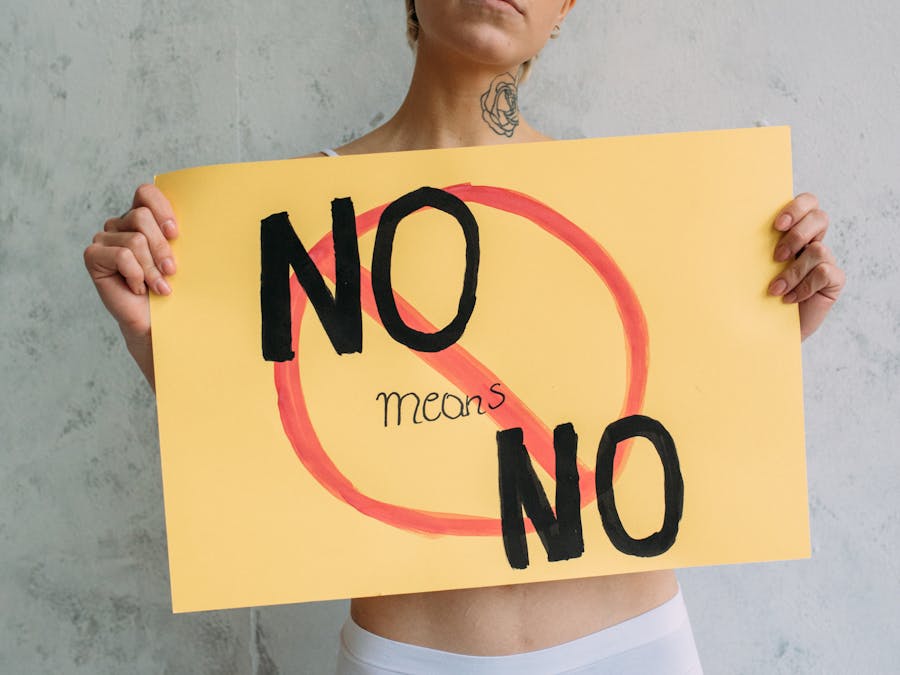
 Photo: Ketut Subiyanto



 Promotion
 Promotion
 Promotion
 Promotion
 Promotion