 Infatuation Rules
Infatuation Rules
Infatuation Rules

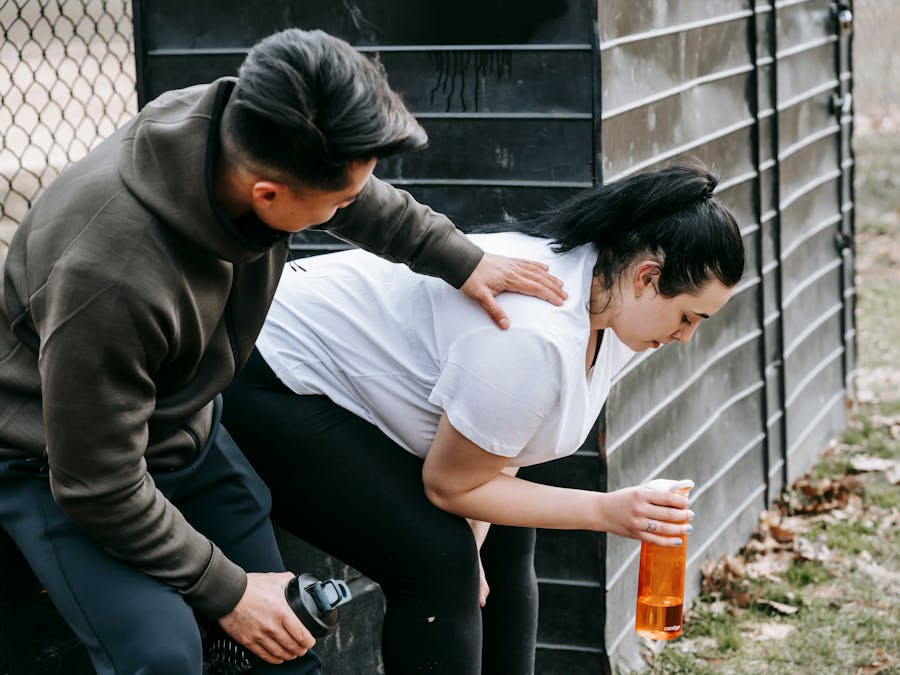
 Photo: Andrea Piacquadio
An analysis revealed eight key reasons: anger, self-esteem, lack of love, low commitment, need for variety, neglect, sexual desire, and situation or circumstance.
Trust is broken when a partner put his or her own needs and desires ahead of what's best for you or your relationship. Trust is also damaged when...
Read More »
"In the case of polygamy, there is a universal standard – it is understood to be a sin, therefore polygamists are not admitted to positions of...
Read More »
Shelving: the act of chatting someone up in a way that suggests something more is going to happen in real life but then using work obligations to...
Read More »
He is honest and has integrity. He is honest and respectful of the people in his life, even it means someone may be upset with him. He understands...
Read More »In the end, only a third of participants ultimately admitted the cheating to their primary partner. Women were more inclined to fess up than men. Those who came clean were more likely to have cheated out of anger or neglect rather than sexual desire or variety. This suggests that their confession was possibly a form of retribution and a way to exact revenge instead of a way to clear their conscience. The participants who confessed were also more likely to form a committed relationship with the affair partner. While infidelity is typically a clandestine enterprise, some cheaters were less careful than others, perhaps intentionally. Those cheating because of lack of love went on more public dates and displayed more public affection toward their partner. PDA was also common for those seeking variety or looking to boost their self-esteem. On the other hand, situational cheaters were less inclined to cheat out in the open, perhaps because they hoped to return to their primary relationship without getting caught. So is an affair really a relationship killer? Ultimately, the fate of the participants’ primary relationship depended less on the act itself and more on what motivated it. Cheating was more likely to end a relationship when it arose from anger, lack of love, low commitment or neglect. And it was less likely to do so when the infidelity was circumstantial. Surprisingly, only one in five (20.4 percent) of relationships ended because of the affair. The same number of couples (21.8 percent) stayed together despite their primary partner finding out, while slightly more (28.3 percent) stayed together without their partner discovering their infidelity. The remaining relationships broke up for noncheating reasons. Rarely did infidelity lead to a real relationship. Only one out of 10 of the affairs (11.1 percent) ultimately turned into a full-fledged commitment—one of the preconceptions that turns out to be true.

A strong woman stands up for herself. “She is not afraid to share her ideas and thoughts, regardless of what others think.” “She speaks her heart...
Read More »
It depends on what they have going on. For some, it can be one day. For others, it can be weeks or even a few months. Sometimes, it might even take...
Read More »
The Most Important Factor in a Relationship Is Not Communication, But Respect. What I can tell you is the #1 thing . . . is respect. It's not...
Read More »
The most common answer is 6-8 partners, but it's not uncommon for some girls to have had 50 or more lovers! Aug 5, 2021
Read More » Promotion
 Promotion
 Promotion
 Promotion