Infatuation Rules
Photo by Ryutaro Tsukata Pexels Logo Photo: Ryutaro Tsukata

What are the 4 stages of manipulation?

The 4 stages of manipulation Flattery. The first stage is when the person who manipulates puts on a facade of being kind, caring, and helpful. ... Isolation. This is when the person who manipulates may start to isolate you from your friends and family. ... Devaluing and gaslighting. ... Fear or violence.

What are the 5 C's in a relationship?

So take them in the spirit in which they are offered, which is a lens to think about your own relationship. This blog is the first of a series on...

Read More »
How to improve your relationship?

8 Ways to Strengthen Your Relationship Be Friends. Any healthy relationship must be based on a solid underlying friendship. ... Stay Connected....

Read More »

But by learning what to look for, you may be able to protect yourself from manipulation tactics and psychological games before they start. Manipulation in relationships can sometimes be so subtle and effective, you may wind up questioning your perception of the situation, rather than the other person’s actions or motives. Gaslighting can make discerning manipulative tactics especially difficult. Manipulation can happen to anyone in all kinds of relationships, from friends and romantic partnerships to parents and family relationships. Even work colleagues and your boss might have manipulative tendencies. Manipulative tendencies can surface in any relationship. Knowing what to look for can help you avoid them. Manipulative people often use common manipulation tactics and behaviors to get what they want. Here’s what to look for.

Guilt-tripping

Guilt-tripping is when someone tries to make you feel responsible or guilty of your actions or decisions. Drake explains that guilt trips often involve using something one person did for the other as “leverage” to get what they want.

Some examples of guilt-tripping might be:

“If it wasn’t for me, you wouldn’t have gotten through college. You owe me.” “I’m the one who is working all the time, while you are spending time with friends. I deserve this expense.” “If you can’t come over, then I might as well not invite anyone else that night. There’s no point then.”

Lying

People with manipulative tendencies often lie to try to control or coerce others, as well as avoid blame or consequences for their actions. For example, a teenager who’s been told they are not allowed to hang out with a particular group might lie about their whereabouts. Or, they may lie to the other parent about being given permission to go out with their friends. “If one parent doesn’t check in with the other parent, the teen may be given permission to go with those friends,” Drake explains.

Pathological lying may be a sign of a mental health condition.

Flattery

What is the hardest year of a relationship?

Recent studies suggest that the third year is the hardest year in a relationship. After 3 years together, many couples begin to question their...

Read More »
How much faster do men fall in love?

Reader's Digest claim that men fall in love faster than women, and men are 48% more likely to fall in love at first sight. Men wait just 88 days to...

Read More »

It can be hard to tell the difference between a compliment and flattery. A compliment is given to sincerely point out something positive with no expectation of gain. But flattery is often used disingenuously as a tool to gain emotional leverage. With flattery, there’s often an expectation of getting something in return. For instance, someone who wants a raise or promotion might regularly praise their manager’s strengths and accomplishments.

Projection

Projection happens when one person claims an emotion they’re feeling — such as jealousy — is actually being experienced by someone else. For example, a person with manipulative tendencies might cause tension and drama, but blame someone else for creating that energy. Maggie Holland, a licensed counselor in the state of Washington, explains that projecting aids a person who manipulates in dodging responsibility for their actions and helps them avoid changing their behaviors. “But it can also erode your trust in your own reality,” she adds. If you think you might be projecting, Holland suggests pausing and asking yourself: “Is this my stuff or their stuff?” This can be helpful for disrupting projection. “It’s also really important that we don’t project our own values onto a manipulator, because that just sets us up for a lot of disappointment and frustration,” Holland adds.

‘Moving the goalposts’

Sometimes, no matter how much you show up for someone who manipulates, they will change their expectations at the last minute to keep you constantly running toward their “goalposts.” Someone who moves the goalposts can set you up for frustration and exhaustion. Holland explains that with manipulative people, “you’re never going to actually reach those goalposts, and your efforts and success won’t be acknowledged if you do.” Believing in yourself, recognizing your own needs, and disengaging can be helpful for avoiding feelings of demoralization. Holland suggests working to understand your personal values, goals, and standards to feel like you met your own expectations. “Remind yourself that you’re just a human being, doing the best you can, and that is enough.”

Triangulation

What to text someone who is giving you the silent treatment?

Tell the person how the silent treatment hurts and leaves you feeling frustrated and alone. That's not what you want or need in a relationship....

Read More »
What does toxic communication look like?

These are the communication styles that research has found to be the most damaging to couples' connection over time: criticism, defensiveness,...

Read More »

Triangulation can take many forms, but often happens when a third person is brought into your communication, instead of keeping the issue between the two people it impacts. For example, a manipulative person might involve your mother in a disagreement to take their side against you. “Now, all of a sudden, you’re disagreeing with two people and the odds are not in your favor,” Holland explains. According to Holland, triangulation often keeps manipulative people from having to take responsibility and may protect them from feeling like they’ve lost an argument. Becoming aware of triangulation can be helpful for spotting it. Try to disengage with “triangles” whenever they come up unfairly. “This means you’re going to have to set and stick to some firm boundaries, but remember that boundaries are not meant to control people, but to ensure that you’re still able to remain in a relationship with them in a healthy way,” says Holland. “Boundaries are not heartless, they’re actually really healthy.”

Love bombing

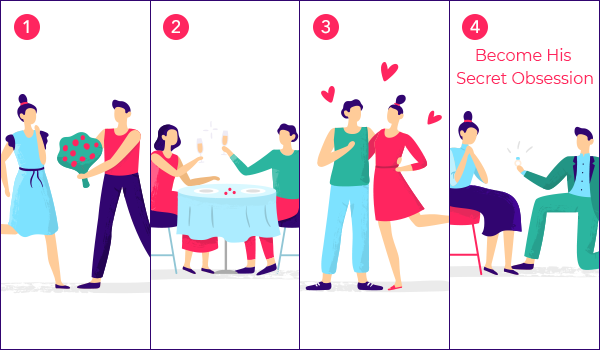
Love bombing is manipulation through excessive attention, often showering you inappropriately with gifts, compliments, affection, and time. These things may be wonderful, which can be confusing. However, love bombing is when this feels enrapturing, takes all your attention, and is excessive. “It might feel great at first, but it usually leaves you isolated and makes you lose sight of who you are,” Holland explains. “Once you’re ‘swept away,’ this attention might stop, and will leave you feeling like you’re seeking it out or chasing it down again.” If you’ve already experienced love bombing and are on the other side, give yourself patience and work to forgive yourself. “You’re not blind. A manipulative person took advantage of your normal human nature to want to feel desired and cherished,” Holland adds.

Some ways to avoid love bombing include:

How can I be nice to my enemies?

Reach out to them. There are many ways to express love, of course — some ways you might consider are telling them, saying nice things to them,...

Read More »
Why do we need a relationship?

As humans, the relationships we form with other people are vital to our mental and emotional well-being and even our survival. Humans have an...

Read More »
What are the 3 things that ruin a marriage?

Knowing what these patterns are, and guarding against them, can be the key to maintaining a strong, healthy marriage. Lack of Honesty. ... Lack of...

Read More »
Why am I mean when I'm anxious?

When anxiety turns to anger, it is because an individual who expresses anger will have an underlying fear about something in their life. When...

Read More »