 Infatuation Rules
Infatuation Rules
Infatuation Rules
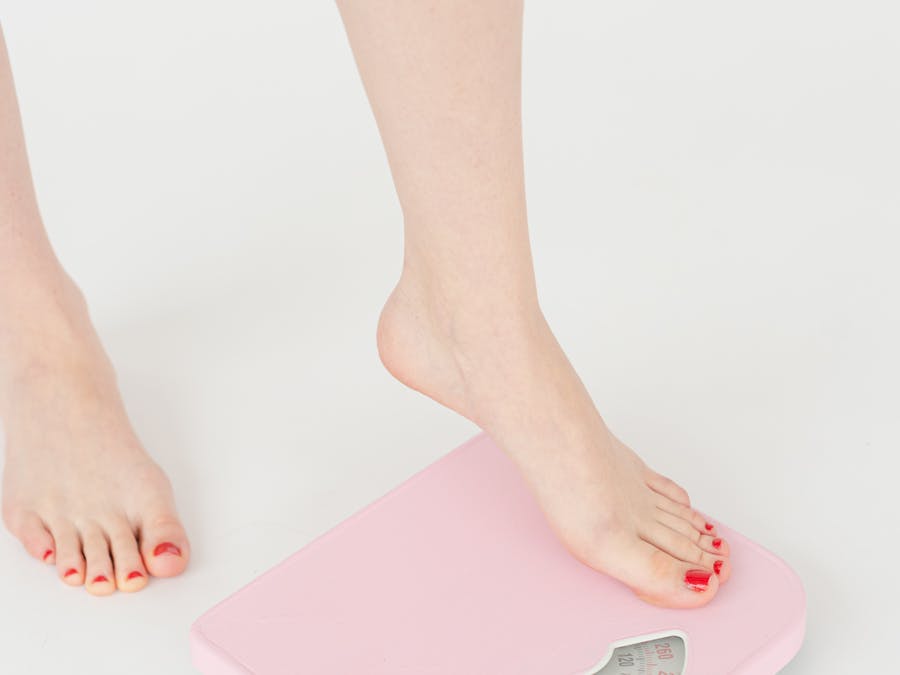
 Photo: SHVETS production
If your BMI is below 18.5, this suggests that your weight may be too low. If you're underweight, or you're concerned that someone you know is, tell a GP or practice nurse. They can give you help and advice.

Having One of Those 'I'm So Ugly' Days? Read This Recognize the burden. Dig deeper. Reach out. Check your perspective. Practice self-compassion....
Read More »
Healthy relationships involve honesty, trust, respect and open communication between partners and they take effort and compromise from both people....
Read More »Being underweight is not good for your health. Find out what you can do if you're concerned about yourself or someone else. Weighing too little can contribute to a weakened immune system, fragile bones and feeling tired. You can check if you're underweight by using our BMI healthy weight calculator, which shows your body mass index (BMI). If your BMI is below 18.5, this suggests that your weight may be too low. If you're underweight, or you're concerned that someone you know is, tell a GP or practice nurse. They can give you help and advice. Why are you underweight? If the healthy weight calculator has told you that you may be underweight, think about why this might be. For example, have you: felt unwell? There might be an underlying medical cause for your low weight, such as an overactive thyroid.

A second study in 2017 asked men and women specifically how many dates they usually waited before having a sexual experience with their partner. On...
Read More »
“A man will commit when he feels a deep connection with a woman that he doesn't feel with anyone else; when he finds a lover who is also his best...
Read More »your immune system is not 100% when you're underweight, so you're more likely to catch a cold, flu or other infections. Fertility problems: women who are underweight can find that their periods stop. How to put on weight safely If diet is the cause of your low weight, changing to a healthy, balanced diet that provides the right amount of calories for your age, height and how active you are can help you achieve a healthy weight. Aim to gain weight gradually until you reach a healthy weight. Try to avoid relying on high-calorie foods full of saturated fat and sugar – such as chocolate, cakes and sugary drinks – to gain weight. These foods can increase body fat instead of lean body mass and increase your risk of developing high levels of cholesterol in your blood. Instead, aim for regular meals and occasional snacks, and base your diet on the Eatwell Guide. This means: Eating at least 5 portions of a variety of fruit and vegetables every day. Basing meals on potatoes, bread, rice, pasta or other starchy carbohydrates. Choose wholegrain where possible. Having some dairy or dairy alternatives (such as soya drinks and yoghurts). Have whole (full-fat) milk until you build your weight back up. Eating some beans, pulses, fish, eggs, meat and other protein. Aim for 2 portions of fish every week – 1 of which should be oily, such as salmon or mackerel. Choosing unsaturated oils and spreads, such as sunflower or rapeseed, and eating them in small amounts.

How to be sexy? 6 tips for women to look sexier and feel confident! There is nothing sexier than eye contact. The inner you also needs to be sexy....
Read More »
According to relationship therapist Aimee Hartstein, LCSW, as it turns out, the first year really is the hardest—even if you've already lived...
Read More »Drinking plenty of fluids. The government recommends 6 to 8 glasses a day. But try not to have drinks just before meals to avoid feeling too full to eat. If you're having foods and drinks that are high in fat, salt and sugar, have these less often and in small amounts. Try to choose a variety of different foods from the 5 main food groups. Learn more about these food groups and how they form part of a healthy diet. However, it's important to remember that the Eatwell Guide is aimed at the general population. For those who need more specialised nutrition advice, consult a GP or a registered dietitian. If you do not eat meat, find out how to have a healthy vegetarian diet. Tips to boost your calorie intake If you're trying to gain weight, eat foods that are not only healthy but also high in energy. Try the following: For breakfast, porridge made with whole (full-fat) milk with chopped fruit or raisins sprinkled on top; or eggs on toast. Milkshakes are a great snack (make them at home and take them to work or college). Fortify them with milk powder for extra protein and calories. For a healthier lunch, try a jacket potato with baked beans or tuna on top, which contains energy-giving starchy carbohydrates and protein.

There are simply too many videos with that many views to make them all stand out. It's safe to assume that currently, it's better to aim at gaining...
Read More »
No personal interest Still, it is something you can't wait to get to. Your personal interest is something that keeps you occupied when you are...
Read More »
These six characteristics are - lust, anger, greed, infatuation, vanity and envy. Oct 10, 2017
Read More »
The average time for men to fall in love is 88 days, while those same feelings of true love take women 134 days. Another dating site, Elite...
Read More » Promotion
 Promotion
 Promotion
 Promotion